
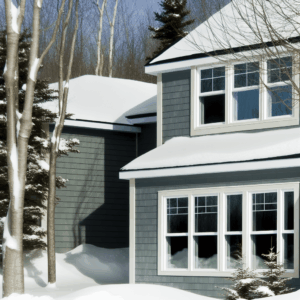



• Discover the warning signs of mold on your roof and why prompt action is crucial for your home’s health
• Follow our easy step-by-step guide to ensure your roof stays mold-free through proper maintenance and prevention techniques
• Learn why professional roof inspections are key to long-term mold prevention and see how Lion Roofing & Gutters can help
Identifying Mold Issues on Your Roof
Your roof is the first line of defense against nature’s elements, but it is also vulnerable to one of nature’s more silent invaders: mold. Mold on residential roofing isn’t just an aesthetic issue; it can deteriorate roofing materials and potentially lead to costly repairs. If you spot black, green, or brown patches on your shingles, or streaks that seem out of place, these could be the early warning signs of mold growth. Acting swiftly on these signs is imperative to maintaining the health and longevity of your roofing system.
Ensuring that your home is protected from mold starts with regular roof inspections. Especially in Windsor, where the fall season brings a damp climate, frequent checks can save you from larger complications down the line. Adequate ventilation in your attic is essential; it’s not just about the air you breathe indoors but also about the air that circulates under your roof. A well-ventilated roof helps in preventing moisture build-up, thus warding off the potential growth of mold.
Gutters serve a bigger purpose than one might think when it comes to preventing mold on residential roofing. When they are clogged, water pools and seeps into places it shouldn’t, especially under your roofing material. Regular cleaning of gutters and downspouts is a small but vital step in the mold prevention process. Similarly, overhanging tree branches create shady areas, and trapped moisture which can promote mold growth—trimming these back will allow sunlight to dry out any existing moisture and discourage mold from settling in.
Ventilation and Humidity: Key Factors in Mold Prevention
Maintaining a mold-free roof is not just about the external factors, but also about managing the environment within your home. Indoor humidity levels play a pivotal role in preventing mold growth as excessive moisture becomes a breeding ground for mold spores. It is recommended to keep indoor humidity between 30% and 50% to create conditions that are less favorable for mold. Using dehumidifiers, ventilating your living spaces, and performing regular HVAC maintenance can contribute significantly to this effort.
When it comes to external measures, consider installing zinc or copper strips on your roof, which can be an effective deterrent against mold growth. These metal strips, when placed beneath the top layer of shingles, release ions that inhibit mold growth—a natural and long-lasting solution. For those considering roof replacement, consult Lion Roofing & Gutters for mold-resistant options. Utilizing mold-resistant shingles or roofing materials not only provides peace of mind but also adds value to your home.
Professional Routine Inspections: The Lion Roofing & Gutters Advantage
While there are many steps you can take to prevent mold on your roof, having a knowledgeable professional in your corner can make all the difference. Lion Roofing & Gutters offers comprehensive inspections that can catch mold at its onset, ensuring that small issues don’t turn into larger problems. Their skilled technicians are well-versed in spotting the slightest signs of mold and will guide you through tailor-made solutions for your Windsor home. Remember, the goal is not simply to treat mold, but to implement strategies that will prevent it, thereby protecting your investment and ensuring a safe living environment for years to come.
Step 1: Inspect Your Roof Regularly
Check your residential roofing for any signs of mold or mildew growth frequently, especially after seasons with high humidity or precipitation. Look out for black, green, or brown patches or streaks.
Step 2: Ensure Proper Ventilation
Ensure your attic and the roof system have adequate ventilation. Good air circulation is crucial in preventing moisture build-up that can lead to mold growth.
Step 3: Keep Gutters and Downspouts Clean
Clear leaves, branches, and debris from your gutters and downspouts to prevent water from pooling on the roof, which can create a hospitable environment for mold.
Step 4: Trim Overhanging Tree Branches
Cut back any tree limbs that hang over your roof. This prevents dampness on the roof by allowing sunlight to dry any moisture and prevents leaves from accumulating on the roof surface.
Step 5: Monitor Indoor Humidity Levels
Keep the humidity inside your home between 30% and 50% to minimize the potential for mold growth that could spread to the roofing structure.
Step 6: Install Zinc or Copper Strips
Place zinc or copper strips beneath the roof shingles along the peak of your roof. As rain washes over the strips, it creates a protective coating that prevents mold and algae growth.
Step 7: Use Mold-Resistant Products
If you need to replace your roof, choose mold-resistant shingles or roofing materials, which are designed to resist mold growth and increase the longevity of your roof.
Step 8: Regular Professional Inspections
Have your roof inspected by professionals like Lion Roofing & Gutters at least once a year. They can spot potential issues early and provide expert mold prevention techniques specific to Windsor’s Fall weather.
Steering Clear of Mold Prevention Mishaps
Embracing a DIY approach for home maintenance can feel empowering, but it’s essential to avoid common pitfalls that could compromise your efforts. Many homeowners intent on preventing mold on residential roofing fall into traps that can be easily avoided with the right knowledge. Understanding these pitfalls will help you maintain a mold-free roof and ensure the longevity of your home.
Common Mistake 1: Neglecting Regular Inspections
Many people underestimate the importance of frequent roof inspections, particularly after a period of heavy rain or humidity. Without regular checks, mold has a chance to grow unchecked, leading to bigger issues.
Common Mistake 2: Inadequate Ventilation
Often, homeowners neglect the attic when thinking about ventilation. Ensure your attic has adequate airflow to prevent moisture from becoming trapped and leading to mold growth.
Common Mistake 3: Overlooking Gutter Cleanliness
Overlooking the cleanliness of gutters and downspouts is a frequent oversight. These should be kept clear to prevent water pooling and subsequent mold, which thrives in moist conditions.
Common Mistake 4: Ignoring Overhanging Foliage
Failing to trim back overhanging tree branches can create shaded, damp areas on the roof. Regular trimming allows sunlight to keep the roof dry and inhibits mold growth.
Common Mistake 5: Not Monitoring Home Humidity
Not keeping an eye on the home’s internal humidity levels can lead to indoor conditions that foster mold growth. Use hygrometers and dehumidifiers to keep levels in check.
Common Mistake 6: Skipping Protective Measures
Some may bypass installing protective elements like zinc or copper strips on their roofs, which are instrumental in preventing mold colonization.
Common Mistake 7: Choosing Non-Resistant Roofing Materials
Opting for non-resistant materials during roof repair or installation can invite mold problems. Always select mold-resistant shingles or materials to fortify your roof against mold.
Common Mistake 8: Not Engaging Professional Services
Lastly, the misconception that professional inspections are unnecessary can be detrimental. Yearly inspections by experts like Lion Roofing & Gutters can catch early signs of mold that you might miss.
Recognizing and avoiding these common errors can make a substantial difference in your mold prevention efforts. With a keen eye on these areas, your DIY project will lead to a healthier, more resilient roof over your head.
Cleaning Gutters and Downspouts: Simple Yet Effective
One of the most straightforward ways to prevent mold on your roof is to keep your gutters and downspouts clear. A clogged gutter can lead to stagnant water accumulating, which then seeps into the roof and creates a perfect habitat for mold. Regularly cleaning your gutters, especially after the winds and rains of Windsor’s Fall season, can save you from complex mold remediation tasks.
Proactive Approach with Tree Maintenance and Professional Help
Another proactive measure in mold prevention is to trim overhanging tree branches near your roof. This not only prevents leaves from blocking your gutters but also allows sunlight to reach the roof, reducing moisture. For expert assistance in maintaining your roof, consider scheduling a routine inspection with Lion Roofing & Gutters, whose specialized services cater to both residential and commercial roofing needs.